



Overview
What is glaucoma?
Glaucoma is a group of eye conditions that lead to damage of the optic nerve connecting eyes to the brain, usually associated with increased intraocular pressure (IOP). It can result in progressive vision loss and is one of the leading causes of blindness worldwide. Slowly damage of eyes causing irreversible harm without any obvious symptoms is known as ‘silent thief of sight’.
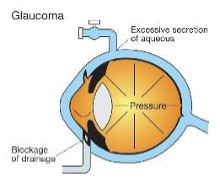
Common types of glaucoma
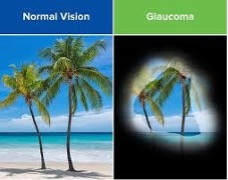
Primary Open Angle Glaucoma (POAG- most common)
- Gradual elevated IOP due to reduced drainage of aqueous humor through trabecular meshwork
- Symptoms: often asymptomatic in the early stage and then progressive loss of peripheral vision, resulting in tunnel vision in advance stage
- Common risk factor:
- Family history
- High near-sightedness/far-sightedness
- Hypertension
- Diabetes
- Cardiovascular diseases
- Sleep apnoea
- Migraine
Acute Angle Closure Glaucoma (AACG)
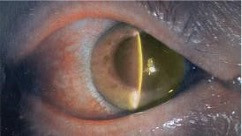
- An ophthalmologic emergency that sudden increase in intraocular pressure (IOP) attributed to blockage if drainage angle of the eye
- Symptoms:
- Eye pain
- Redness
- Blurred vision
- Headache
- Nausea and vomiting
- Common risk factor:
- Narrow anterior chamber of the eye
- Age (Over age of 60)
- Gender (Women are more common than men)
- Asian descent
Normal Tension Glaucoma (NTG)
- Optic nerve damage occurs inspite of normal IOP levels
- Symptoms: similar to open angle glaucoma
Secondary glaucoma
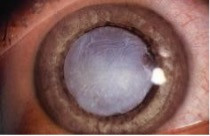
- Result from other medical conditions and secondary factor, such as
- Hypermature cataract
- Uveitis (inflammation of the iris, ciliary body, and choroid)
- Long-term use of steroid eye drops
- History of eye injury
- Eye tumours
- Symptoms: similar to primary glaucoma types
Congenital Glaucoma
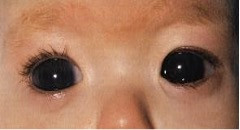
- Rare and abnormal development of eye’s drainage system
- Present at birth or develops in early childhood
- Symptoms
- Sensitivity to light
- Excessing tearing
- Enlargement of eyeball
- Common risk factor: hereditary
Diagnosis
- Comprehensive Eye Exam:
- Visual Acuity Test: Measures how well you see at various distances
- Dilated Eye Exam: Dilated eye drops are placed in the eyes to dilate the pupils, allowing the doctor to examine the optic nerve
- Intraocular Pressure Measurement:
- Tonometry: Measures the intraocular pressure inside the eye. Elevated pressure may indicate glaucoma.
- Optic Nerve Assessment:
- Optical Coherence Tomography (OCT): Provides detailed images of the optic nerve and retina.
- Visual Field Test:
- Assesses peripheral vision to detect any vision loss that may occur with glaucoma.
- Pachymetry:
- Measures the thickness of the cornea, as corneal thickness can influence glaucoma risk.
- Measures the thickness of the cornea, as corneal thickness can influence glaucoma risk.
Procedures and Treatments
Treatment of Glaucoma
- Medications:
- Eye Drops: Usually the first line of treatment, helps to lower intraocular pressure.
- Common types include:
- Prostaglandin analogs
- Beta-blockers
- Alpha agonists
- Carbonic anhydrase inhibitors
- Oral Medications: Occasionally prescribed if eye drops are insufficient.
- Laser Treatment:
- Selective Laser Trabeculoplasty: Helps to improve drainage of fluid in the eye.
- Laser Iridotomy: Creates a small hole in the peripheral iris to improve fluid flow, particularly for angle-closure glaucoma.
- Surgery:
- Trabeculectomy: Creates a new drainage path for fluid to lower eye pressure.
- Glaucoma Drainage Devices: Implants may be used to help fluid drain from the eye.
- MIGS (Minimally Invasive Glaucoma Surgery) e.g. iStent. XEN
- Often involve smaller incisions and less tissue disruption, which can lead to faster recovery times and fewer complications
Glaucoma may cause permanent blindness, which can be prevented by early diagnosis and treatment. Adults over 40 years of age, especially those who have the above risk factors, are recommended to undergo eye examination every one to two years to facilitate early detection and prevent deterioration.
Contact Us

Happy Valley
- Address:
- 4/F, Li Shu Fan Block,
Hong Kong Sanatorium & Hospital,
2 Village Road, Happy Valley, Hong Kong
- Service hours:
-
Monday to Friday: 9:00 am - 5:00 pm
Saturday: 9:00 am - 1:00 pm
Closed on Sundays and Public Holidays
Consultation by Appointment
- Tel.:
- (852) 2835 8880
- Email:
- [javascript protected email address]
- Fax:
- (852) 2892 7510
- WhatsApp:
-
(852) 2835 8890
(For non-emergency cases)

Admiralty
- Address:
- 21/F, One Pacific Place,
88 Queensway, Hong Kong
- Service hours:
-
Monday to Friday: 9:00 am - 5:00 pm
Saturday: 9:00 am - 1:00 pm
Closed on Sundays and Public Holidays
Consultation by Appointment
- Tel.:
- (852) 2855 6700
- Email:
- [javascript protected email address]
- Fax:
- (852) 2523 7660
- WhatsApp:
-
(852) 2855 6700
(For non-emergency cases)

Admiralty
- Address:
- 21/F, One Pacific Place,
88 Queensway, Hong Kong
- Service hours:
-
Monday to Friday: 9:00 am - 5:00 pm
Saturday: 9:00 am - 1:00 pm
Closed on Sundays and Public Holidays
Consultation by Appointment
- Tel.:
- (852) 2855 6699
- Email:
- [javascript protected email address]
- Fax:
- (852) 2523 7660
- WhatsApp:
-
(852) 2855 6699
(For non-emergency cases)

Happy Valley
- Address:
- 6/F, Central Block,
Hong Kong Sanatorium & Hospital,
2 Village Road, Happy Valley, Hong Kong
- Service hours:
-
Consultation by Appointment
- Tel.:
- (852) 2835 8890
- Email:
- [javascript protected email address]
- Fax:
- (852) 2892 7538

Admiralty
- Address:
- 22/F, One Pacific Place,
88 Queensway Hong Kong
- Service hours:
-
Consultation by Appointment
- Tel.:
- (852) 2855 6700
- Email:
- [javascript protected email address]
- Fax:
- (852) 2892 7429